In the medical profession, it’s easy to think that better imaging means more detailed images. In actuality, radiology has more to do with this. It is important to determine whether a test provides the right information in a given medical condition.
A person with a suspected joint problem, such as is a different diagnostic question from someone taking a breast scan or an examination of the prostate. Modern radiology addresses these variations by using a variety of imaging techniques, rather than relying on one scanner for every scenario.
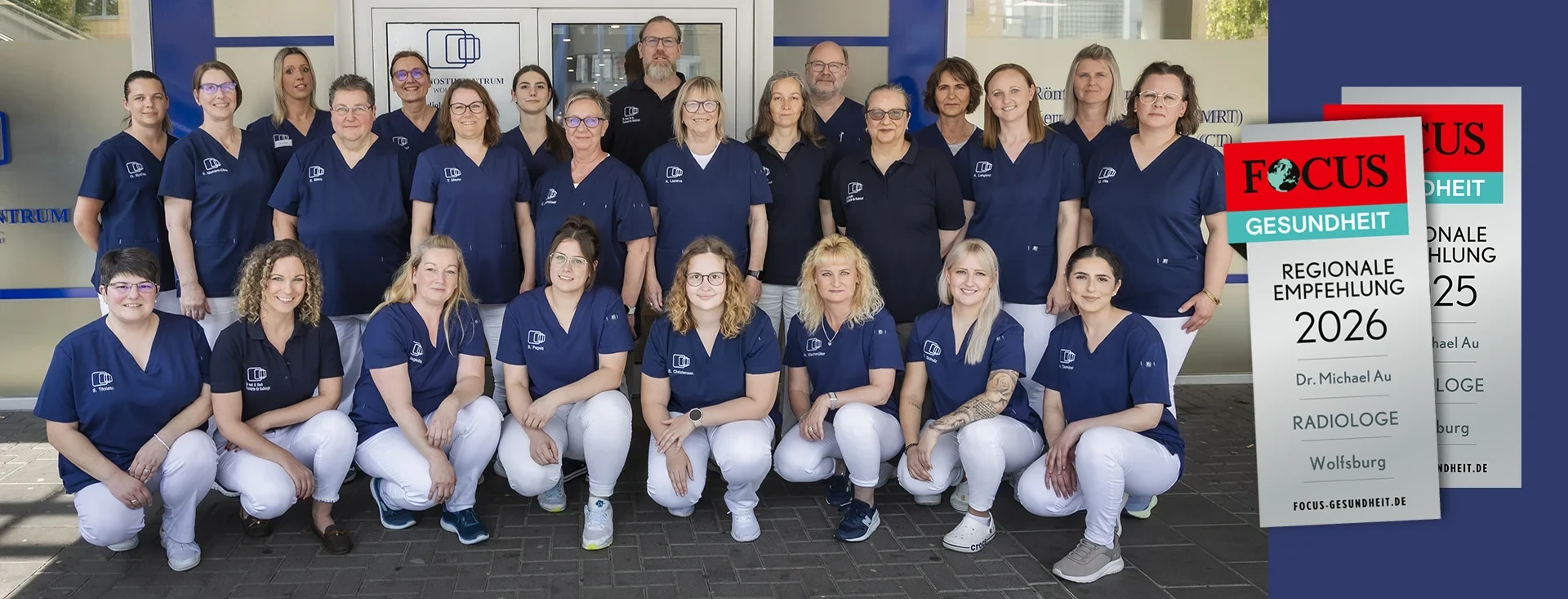
Image credit: diagnostikzentrum-wolfsburg.de
The private consultation offered at the Wolfsburg Diagnostic Center gives patients access to many imaging and diagnostic services within one practice of radiology.
Different parts of the Body Show Theirself Differently
Organs, joints, bones, and soft tissues do not all appear the same way with every imaging technique.
Magnetic resonance imaging is helpful when precise imaging of various soft tissue structures are needed. The Wolfsburg Diagnostic Center uses two 1.5 Tesla MRIs to examine the spines, brain, joints, internal organs, and soft tissues.
MRI is a non-radiation image. When appropriate, the center can offer more specific examinations for prostate MRIs as well as whole-body MRIs.
It is vital to note that the word “MRI”, which describes the technology, is not the same as the question being asked by the patient.
CT Gives You a Different View
In the field of diagnostic medical practice, CT plays specific roles. CT uses X rays to produce detailed cross-sectional body images. Low-dose technology is used in the Wolfsburg Diagnosis Center to lower radiation levels while maintaining the quality of the images. For more information, click here privat MRT
The best imaging technique is determined according to the individual clinical situation. More advanced-sounding does not automatically suggest more appropriate.
Digital X-Rays Are Still Relevant
MRI, CT and other imaging techniques are getting the attention of many. This may make conventional images of X-rays seem old-fashioned. Modern digital X-rays tell a different story.
Digital systems are an accurate method to look at the skeletal system. Modern technology makes use of high-resolution pictures and techniques that reduce radiation exposure.
Other than replacing the methods that were previously employed Newer technology has expanded the options for radiologists.
Breast Imaging demonstrates the value of a Focused Methods
Breast diagnostics is another type of specialized imaging. The center offers mammography, which includes 3D mammography, tomosynthesis as also breast ultrasound. These techniques provide various forms of information about imaging and can be used based on the particular medical situation of the patient.
The same principles apply to radiology. The key to a successful imaging program is with understanding what needs to be examined.
Sometimes, imaging can help guide treatment
Radiology isn’t only about identifying and monitoring abnormalities. The Wolfsburg Diagnostic Center offers CT-guided Periradicular Therapy (PRT) which is a procedure where CT imaging can be used to direct the procedure. Low-dose radiation therapy is an additional available treatment service.
These examples illustrate how imaging technology can take us beyond observation and can play a part in precisely guiding medical care.
Specific and focused questions
A modern diagnostic centre is not just defined by the amount of machines. The importance of a diagnosis center is also determined by its proper use of technology to meet the medical condition that is well-defined and skilled specialists who interpret the images.
During private consultation hours in Wolfsburg, patients have access to a vast range of radiological tests, specialist care, and direct discussion of their findings.
It’s not just about creating more images. It is to produce useful clinical information that can aid patients and doctors grasp the medical issue which is being investigated.