Pumping projects may seem straightforward on paper: water is introduced at one point and needs to reach another. In reality, there are many factors that affect the distance between two locations, which include elevation as well as flow rate solids, pressure storage capacity, and access to maintenance.
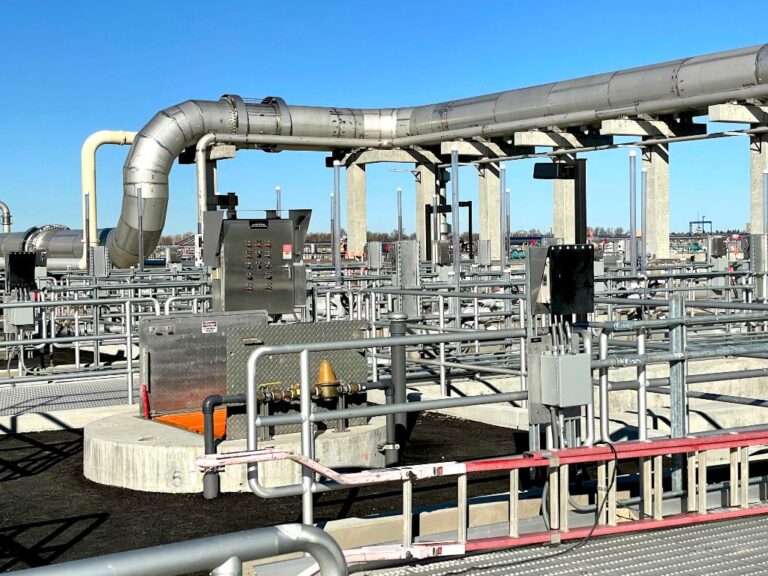
Image credit: romtecutilities.com
For Romtec Utilities, designing a pump station begins by defining those operating conditions rather than selecting equipment from a standard catalog. The requirements for the project are used to design initial designs and budgetary figures.
Begin with a single question: What Are We Moving?
The engineering is changed immediately.
The flow of domestic sewage can be subject to substantial fluctuations in the course of a day. The wastewater lift station is required whenever gravity conveyance does not or does not work. Engineers need to consider the anticipated inflow and maximum conditions, pumping capacities and wet-well behavior, discharge specifications, and how the equipment will be maintained and operated.
Many challenges can be encountered by industrial water. The fluids used in manufacturing or processing facility could need to be caustic, oily, or heated with high temperatures or pressure. Romtec Utilities creates industrial systems that are utilized in applications that range from data centers to installations for oil and gas, food processing power generation, as well as pharmaceutical waste.
Rainfall creates a completely different Operating Cycle
Stormwater systems are usually inactive for extended periods and then suddenly face an enormous volume of water during the course of a storm.
For example, a stormwater lift station that is associated with a detention basin is required to be in line with the drainage plan for the location. Runoff enters the basin and temporary storage manages the volume immediately, and the pumping system moves the collected water towards an authorized discharge point.
Romtec Utilities offered this type of solution to the Norco, California business park. A pumping system was required to empty the detention reservoir and discharge it into the stormwater network. The station was intended to work as a component of a drainage system in a development, not as an isolated piece of equipment.
The word “package” doesn’t have to be a reference to a shelf
There is a widespread misconception that a pumping device for packages is simply a set of predetermined parts.
In the case of engineering infrastructure packaging can mean that all major components are incorporated into a single system. Valve and pump components can be selected based on their job needs.
That approach becomes especially useful when a new system needs to be connected to existing infrastructure. Industrial plants and existing municipal facilities may not offer a large amount of space for installation, or even in good condition. Equipment might need to be positioned around existing piping, structures as well as electrical systems and operational plans.
The real effects of capacity Planning
The cost of undersizing increases as the facility expands.
Romtec Utilities supplied a sewer lift station at Portland International Airport for the PDX Next extension. The new station was required to be designed to have twice the peak flow capacity because the airport has grown.
It demonstrates an important engineering principal: design specifications shouldn’t be limited to what a facility is able to handle during a typical afternoon. Engineers should also understand the impact of peak demand.
The job isn’t done until the Equipment is delivered
At some point, calculations and drawings have to become an operating system. Installation coordination starting and testing, documentation, and understanding are all vital for long-term efficiency.
In the years following construction, the efficiency of engineered pumping system can be determined. When the flows rise, a major storm arrives or the equipment needs to be maintained the choices made during the initial design phase become apparent.
Romtec Utilities incorporates these options into a pumping service which is unique to the project. This allows the transformation of individual equipment into an infrastructure built to withstand the challenges they have to face.