Restaurant owners will open their monthly P&L reports, examine sales, then scroll down to the bottom and close the report.
Does this sound familiar to you?
The report could be completely correct, but if they are the only two figures reviewed the bulk of its value is left unreviewed.
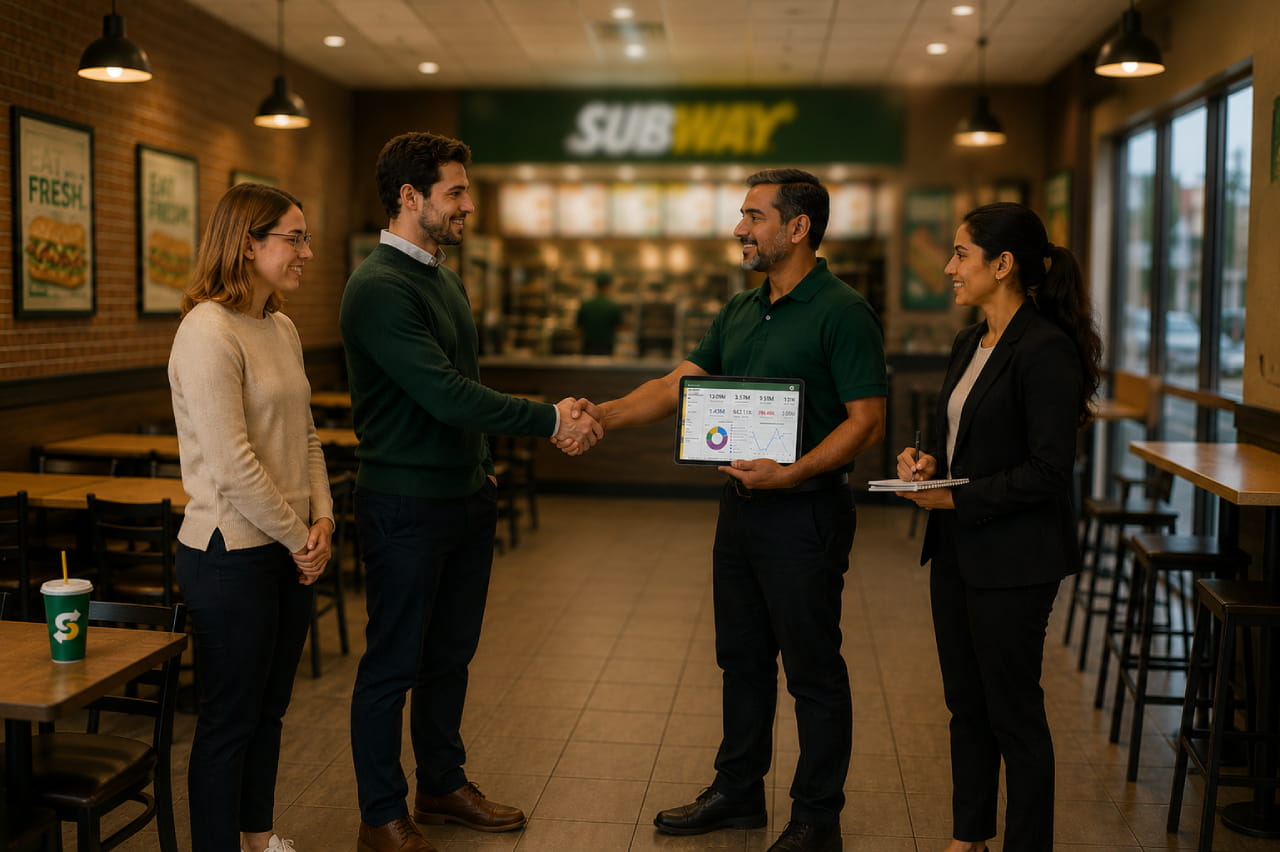
Good restaurant bookkeeping shouldn’t make proprietors more dependent on accountants. They should feel more confident of their financials. It doesn’t require an accountant or stay up all your entire night completing invoices. However, you must understand why profit moved, what happened to food and labor costs and what questions need consideration next week.
This is the concept Bookkeeping Chef’s mission: to automate the bookkeeping tasks that doesn’t require a proprietor’s time, while providing restaurant owners with better financial information that they can utilize.
Don’t stop at month-end Numbers. Start by calculating Weekly Numbers
Restaurants don’t operate on per month. Managers schedule labor for this week. Chefs order food today. Vendors change prices now.
Bookkeeping Chef offers weekly flash reports on the top costs, as well as monthly financial statements.
The prime cost combines the cost of the goods and labor both of which are areas where restaurants can achieve rapid growth. According to data offered by Bookkeeping chef, prime cost accounts for about 60% of the sales at restaurants.
Take a look at a scenario where sales aren’t even changing while the prime cost is rising. This percentage does not provide an answer. It gives the owner an opportunity to research.
Did hourly wages rise? Did overtime happen? Costs of food changed? A vendor’s invoice appeared to be unusually large? Does the mix of sales changed?
It is better to find out about the issue sooner rather before it gets worse.
Automate the repetitive Work
DIY bookkeeping doesn’t have to be difficult. It can simply involve manually transfer POS (point of sale) totals onto spreadsheets.
Automating the restaurant’s bookkeeping process can eliminate a lot of repetitive data movement. The service connects POS systems including QuickBooks, QuickBooks, vendors platforms, recipe and inventory management, payment instruments and AP.
Automation is not the goal.
This reduces the time spent on manually entering data. Also, it keeps accounts of financial transactions up to date so that the owners have time to spend reading information rather than gathering it.
That creates a different model of bookkeeping for restaurants: technology handles more of the mechanics while the owner remains engaged with the financial meaning.
P&L Questions: Learn to Ask More Effective Questions
A P&L will be much more manageable when you don’t treat it as an accounting exam.
Start with the sales. Then look at the costs needed to make the sales. Compare the food and drink performance. Examine the cost of labor. Make sure you reduce your operational costs.
Comparing the time spans is crucial.
When sales improve but profits do not, there is a change between the two. If the cost of food was up, you should ask about the changes operationally. Review sales and staffing numbers to see if the labor percent has changed. Examine any figures that appear odd rather than just assuming that a restaurant has had a bad week.
Bookkeeping Chef provides monthly P&Ls that are finalized within five days. The owners are able to look over the financial performance of their business without having to wait for months to receive financial statements.
For restaurant owners who require bookkeeping solutions, speed is a must but understanding is the main objective.
It’s not necessary to DIY everything.
There’s a compromise between delegating the entire financial responsibility to another and becoming your own bookkeeper full-time.
Owners are still able to participate in the accounting process, without being required to do every job by hand.
The process could be as easy as utilizing automated system connections to keep the data flowing. It could also be as extensive and intricate review of the monthly P&L or a review of a weekly Prime-cost Report.
A specialist in restaurant bookkeeping can aid with this approach by making sure that the books are organized as well as helping the owner know what they are.
The result is not a bookkeeping owner who knows how to perform every bookkeeping function.
A business owner is able to have a discussion with an P&L regarding the company.
The objective is financial freedom without reporting
Restaurants already generate enormous quantities of data. The dashboards aren’t always making sense.
Value is realized when an operator is able to open a P&L report, recognize that there has been a change and then look at the report on the primary cost.
Bookkeeping Chef’s strategy integrates automated bookkeeping for restaurants, weekly reporting along with monthly P&Ls and special financial assistance to restaurants in order to make that possible.
Automate repetitive tasks. Review your primary costs every week. Study the language of your P&L.
You do not need to be an accountant to be an.
It is essential to be aware of the financials of your restaurant before you can become a proprietor.